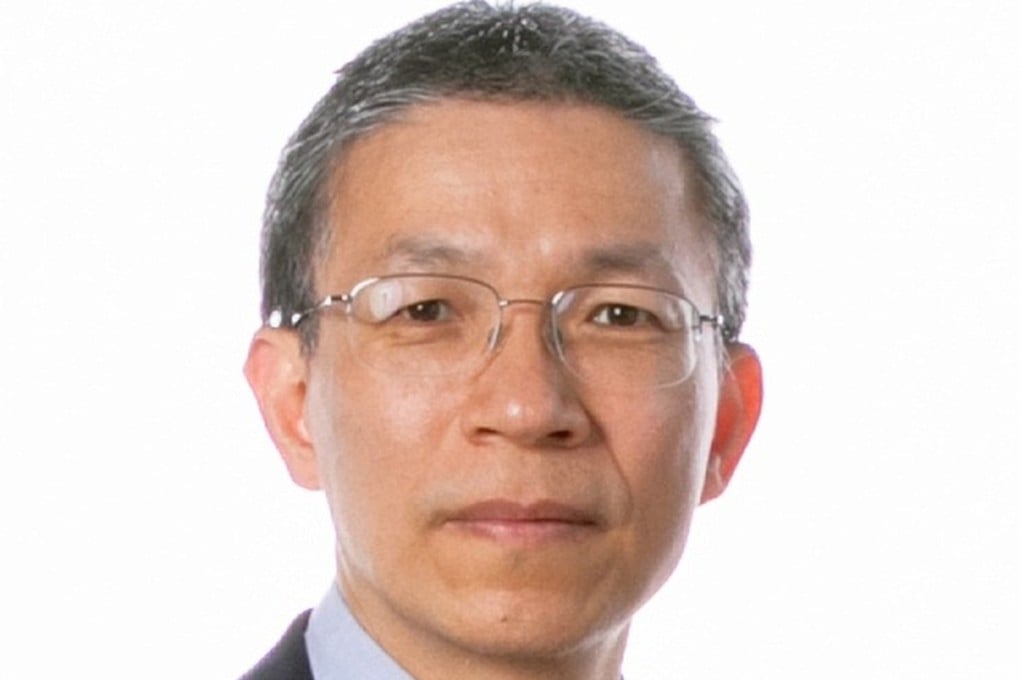

Suzanne Lapi
Nuclear Chemistry
RESEARCH FIELD
Nuclear Chemistry
Isotope Production
Radiopharmaceutical Design
Theranostics
Molecular Imaging
PET Radiochemistry Techniques
Education
Simon Fraser University
B.S.
Science (BSc)
,
2002
Simon Fraser University
M.S.
Nuclear Chemistry (MSc)
,
2003
Simon Fraser University
Ph.D
Nuclear Chemistry
,
2007
University of California, San Francisco
Postdoc
Radiology and Biomedical Imaging
,
2007
-
Summary
Suzanne Lapi is an expert in isotope production and radiopharmaceutical design who left the University of Alabama at Birmingham to join McMaster University in Hamilton, Canada, as an Eddie Goldenberg Research Chair of Canada in Isotope Production and Radiopharmaceutical Innovation in the Faculty of Science, part of a September 2026 recruitment of five scholars from American universities.
Lapi earned her bachelor's, master's and doctoral degrees at Simon Fraser University in British Columbia, receiving her master's in nuclear chemistry in 2003 and her doctorate in nuclear chemistry in 2007. She then began a postgraduate fellowship in radiology and biomedical imaging at the University of California, San Francisco, and later became an assistant professor of radiology at Washington University, with appointments in biomedical engineering, chemistry and the Division of Biology and Biomedical Sciences. She rose to tenured associate professor and built a research program on novel isotopes for molecular imaging and therapeutics.
She joined UAB in 2015 as a tenured associate professor of radiology and chemistry and director of the UAB Cyclotron Facility. She became director of the Division of Advanced Medical Imaging Research in 2017, was promoted to full professor with tenure in 2018, and became vice chair of research in the Department of Radiology in 2021. In 2022 she was named the first holder of the Emmet O'Neal II Endowed Professorship.
Lapi was named a Fellow of the Society of Nuclear Medicine and Molecular Imaging in 2020 and received the society's Radiopharmaceutical Sciences Council Michael J. Welch Award in 2024, and has served on National Institutes of Health review panels. At McMaster, she will lead a molecular imaging and theranostics program, drawing on the university's nuclear facilities and strength in nuclear medicine to advance new radioisotope-based approaches to patient care. Each chairholder in the recruitment is awarded $8 million over eight years.
CURRENT AFFILIATION
McMaster University, Hamilton, Canada
Recruitment Program
Canada Global Impact+Research Talent Initiative