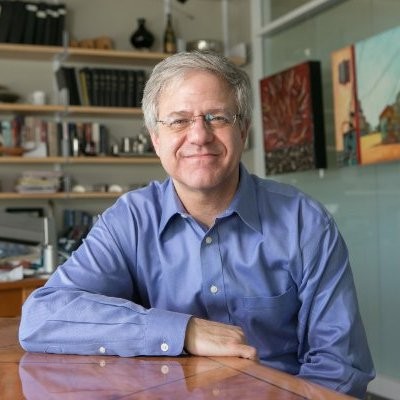

Jonathan McConathy
Molecular Imaging
RESEARCH FIELD
Molecular Imaging
Theranostics
Radiopharmaceutical Design
Nuclear Medicine
Molecular Neuroimaging
Education
University of North Carolina at Chapel Hill
B.S.
Chemistry (BS)
,
1995
Emory University School of Medicine
Ph.D
Neuroscience (MD/PhD)
,
2004
Emory University School of Medicine
M.D.
Medicine (MD/PhD)
,
2004
Washington University School of Medicine in St. Louis, Mallinckrodt Institute of Radiology
Postdoc
Nuclear Medicine Fellowship
,
2009
-
2010
Summary
Jonathan McConathy is a molecular imaging and radiopharmaceuticals researcher focused on cancer and neurological disease who left the University of Alabama at Birmingham to join McMaster University in Hamilton, Canada, as an Eddie Goldenberg Research Chair of Canada for Molecular Imaging and Nuclear Theranostics in the Faculty of Health Sciences, part of a September 2026 recruitment of five scholars from American universities.
McConathy trained as a physician-scientist, earning an MD and PhD in neuroscience at Emory University School of Medicine and a bachelor's degree in chemistry at the University of North Carolina at Chapel Hill. He completed a diagnostic radiology residency (2005-2009) and a nuclear medicine fellowship (2009-2010) at Washington University School of Medicine's Mallinckrodt Institute of Radiology. His PhD work, with mentors Mark Goodman and Michael Owens, focused on improving the radiosynthesis of the cancer imaging agent fluciclovine, which is now approved and routinely used for prostate cancer imaging.
At McMaster, he will lead work to develop, translate, clinically evaluate and commercialize radiopharmaceuticals for diagnosing and treating cancer and neurological diseases. His group focuses on theranostics, in which an imaging agent first confirms that a therapeutic target is present and a radioactive version of the drug is then used for treatment, as with PSMA-targeted prostate cancer therapy. The group will develop and test new radiolabeled amino acids and help launch clinical trials of radiopharmaceuticals from other McMaster teams.
McConathy told McMaster that he was drawn by the university's nuclear reactor, which has operated for more than 60 years, its leadership in nuclear sciences and its clinical partnerships with Hamilton Health Sciences and St. Joseph's Healthcare Hamilton. He cited recent instability in the United States and tensions between Canada and the U.S. as prompting him to reflect on how he could contribute to Canada's research ecosystem. His wife, Suzanne Lapi, also holds a McMaster research chair.
CURRENT AFFILIATION
McMaster University, Hamilton, Canada
Recruitment Program
Canada Global Impact+Research Talent Initiative