Zhong Lin Wang
Nanoscience
RESEARCH FIELD
Nanogenerators
Piezotronics
Energy Harvesting
Triboelectric Energy Harvesting
Self-Powered Systems
Nanoenergy and Nanosensors
Education
Xidian University (formerly Northwest Telecommunication Engineering Institute)
B.S.
Physics
,
1982
Xidian University
M.S.
Physics
Arizona State University
Ph.D
Physics
,
1987
Summary
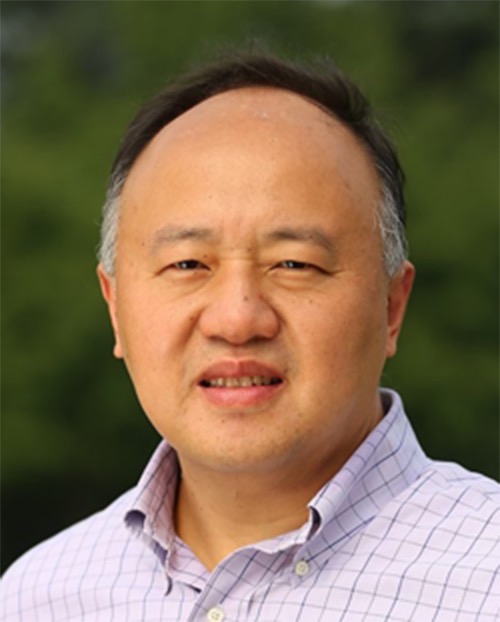
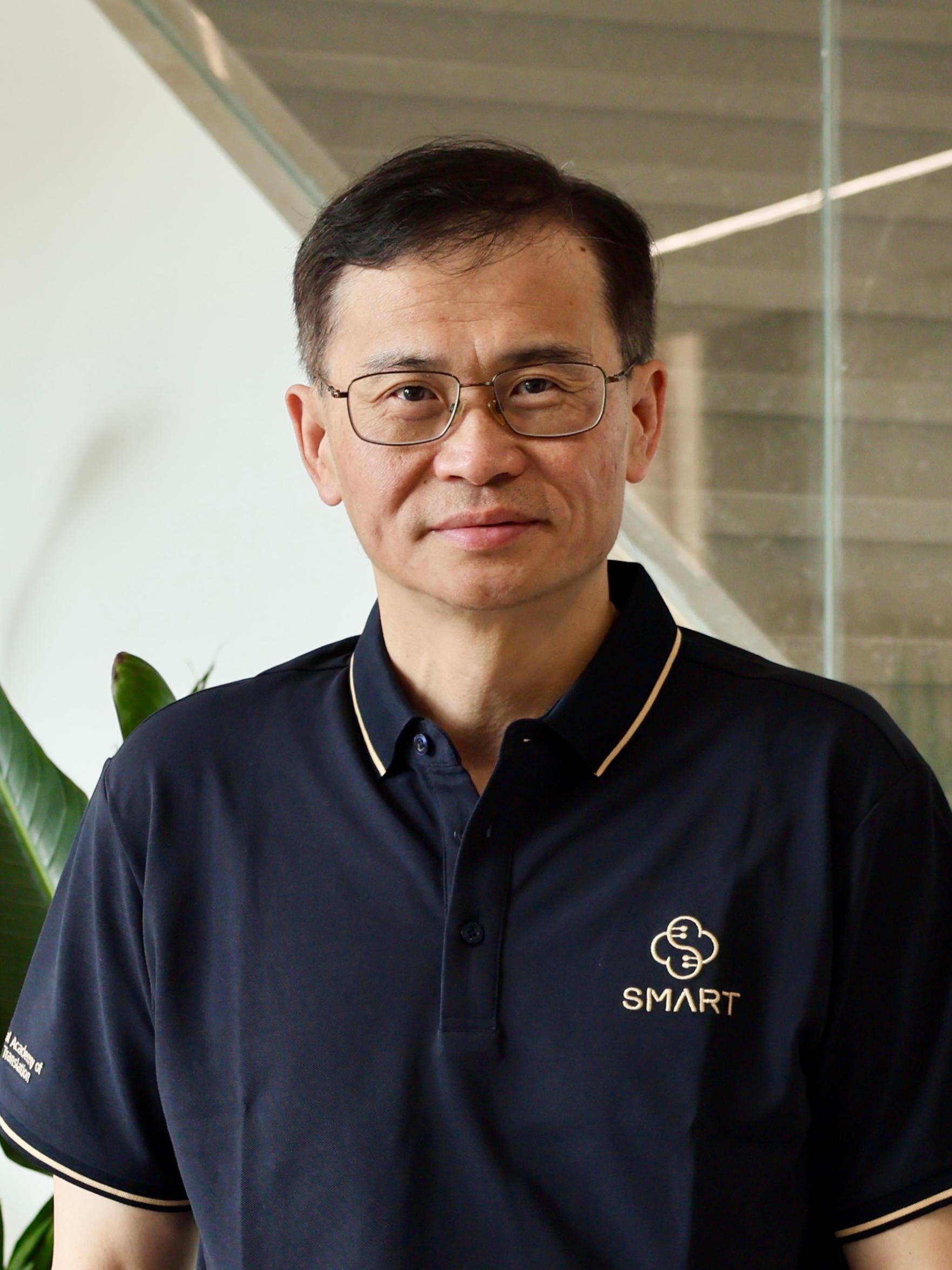
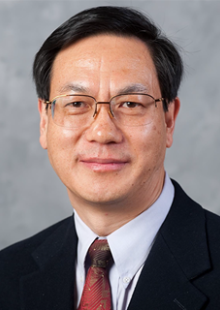
Zhong Lin Wang, widely known as the "father of nanogenerators," is a Chinese-American physicist and materials scientist who moved to work full-time in China in 2024, taking up the role of Founding Director and Chief Scientist at the Beijing Institute of Nanoenergy and Nanosystems under the Chinese Academy of Sciences, after nearly three decades as Regents' Professor and Hightower Chair at the Georgia Institute of Technology.
Born in Shaanxi province in 1961, Wang earned his BS from Xidian University (then Northwest Telecommunication Engineering Institute) in 1982 and his PhD in physics from Arizona State University in 1987. He subsequently worked at SUNY Stony Brook, Cambridge University's Cavendish Laboratory, Oak Ridge National Laboratory, and the National Institute of Standards and Technology before joining Georgia Tech in 1995, where he served as director of the Center for Nanostructure Characterization from 1995 to 2016.
Wang pioneered the field of nanogenerators, demonstrating in 2006 how piezoelectric zinc oxide nanowires could convert mechanical energy directly into electricity, and later invented the triboelectric nanogenerator (TENG) in 2011, establishing an entirely new field of nanoenergy harvesting for self-powered sensors and the internet of things. He also coined and pioneered piezotronics and piezo-phototronics for third-generation semiconductors. Ranked among the most highly cited scientists in the world across all fields, with over 400,000 citations and an h-index above 300, Wang has authored more than 2,000 peer-reviewed papers, including over 80 in Nature and Science and their family journals, and holds more than 60 patents. He is a Foreign Member of the Chinese Academy of Sciences (2009), a member of the European Academy of Sciences, an academician of Academia Sinica in Taiwan, and a Fellow of the American Physical Society, AAAS, and the Materials Research Society. His honors include the 2019 Albert Einstein World Award of Science and the 2018 ENI Award in Energy Frontiers, often described as the "Nobel Prize" of energy research. Speculation has linked his full-time move to China to the broader chilling effect of the US government's China Initiative on Chinese-American scientists.
CURRENT AFFILIATION
Beijing Institute of Nanoenergy and Nanosystems, Chinese Academy of Sciences