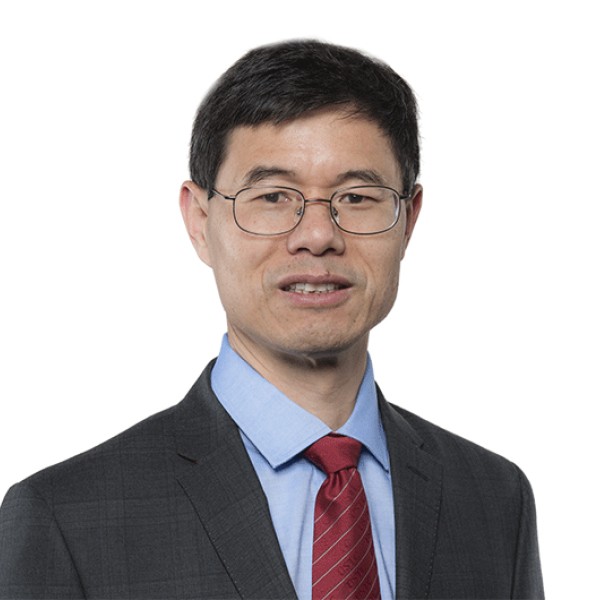
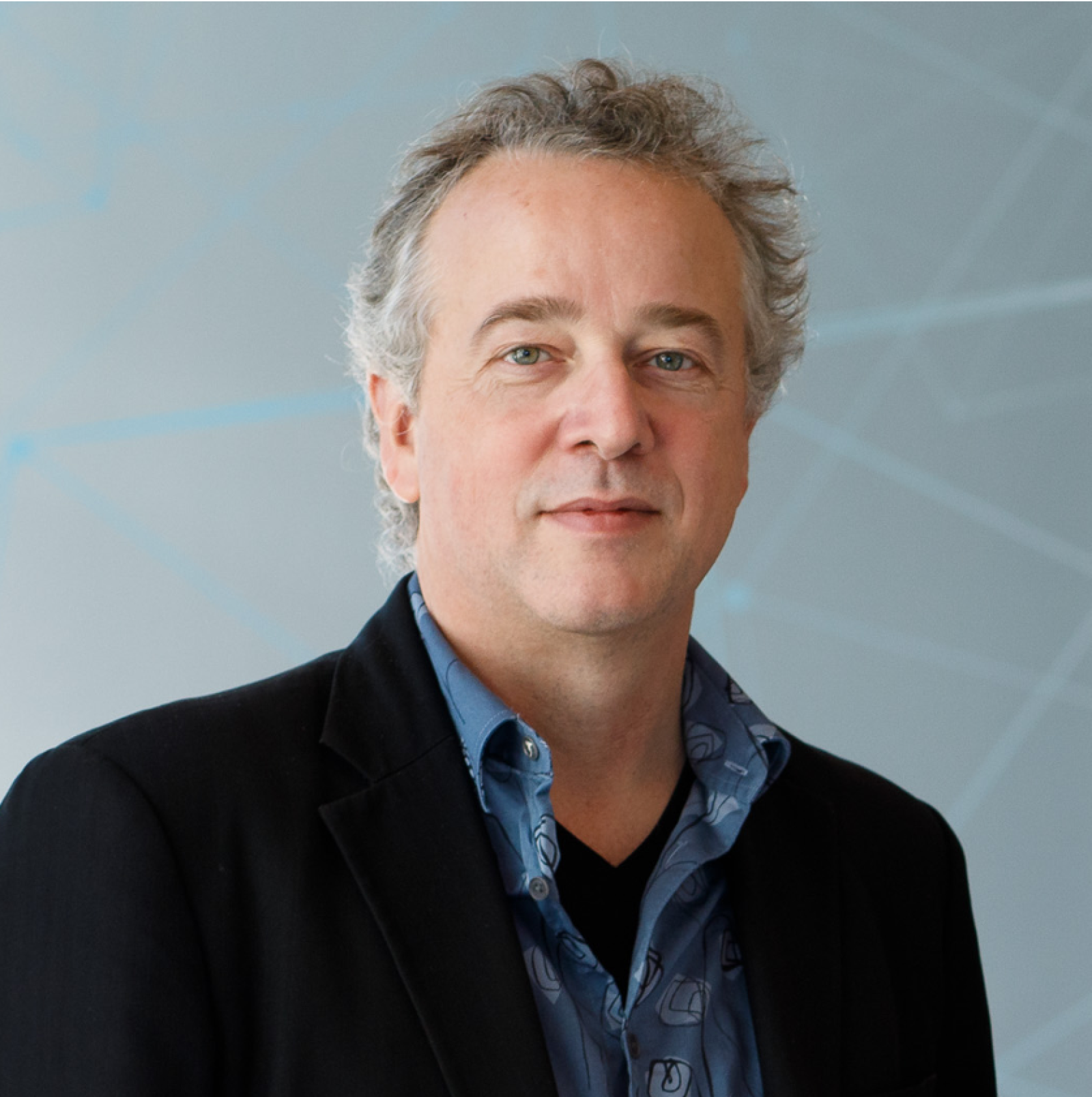
Peter Caravan
Molecular Imaging
RESEARCH FIELD
Molecular Imaging
Chronic Liver Disease
Contrast Media
Coordination Complexes
Fibrin
Fibrogenesis
Fibroproliferation
Fibrosis
Gadolinium
Inflammatory Bowel Disease
Magnetic Resonance Imaging
Manganese
Organometallic Compounds
Pancreatic Cancer
PET Radiochemistry Techniques
Positron Emission Tomography
Pulmonary Fibrogenesis
Renal Fibrosis
Serum Albumin
Thromboembolism
Thrombosis
Education
Acadia University
B.S.
Chemistry (BSc Hons)
,
1992
The University of British Columbia
Ph.D
Chemistry
,
1996
Summary
Peter Caravan is a molecular imaging scientist who left Harvard Medical School and Massachusetts General Hospital to join the University of British Columbia's Faculty of Pharmaceutical Sciences in Vancouver, Canada, as an Eddie Goldenberg Research Chair of Canada in Translational Molecular Imaging and Therapy.
The appointment, announced August 27, 2026 as part of UBC's first cohort of nine Eddie Goldenberg Research Chairs recruited from leading US and international institutions, is set to begin in summer 2027.
Caravan is a leading authority on designing molecular probes for MRI and PET imaging, and on translating them into theranostics, tools that pair precise disease detection with targeted treatment, for cancer and other diseases. He has said his motivation is deeply personal: a family member's cancer went undetected until it had spread, due to the limits of conventional imaging, and he has focused his career on developing tools that can catch disease earlier and track whether treatment is actually working.
Caravan is Canadian by birth, earning his undergraduate degree at Acadia University in Nova Scotia and his PhD at UBC before building his research career in the US. He described the Chair as a chance to return both to Canada and to the university where he trained, citing UBC's concentration of molecular imaging talent, its ties to BC Cancer, and its access to TRIUMF, a national laboratory supplying the radioisotopes his work depends on, as key draws for accelerating his research from the lab into clinical trials.
CURRENT AFFILIATION
University of British Columbia, Vancouver, Canada (expected July 2027)
Recruitment Program
Canada Global Impact+Research Talent Initiative