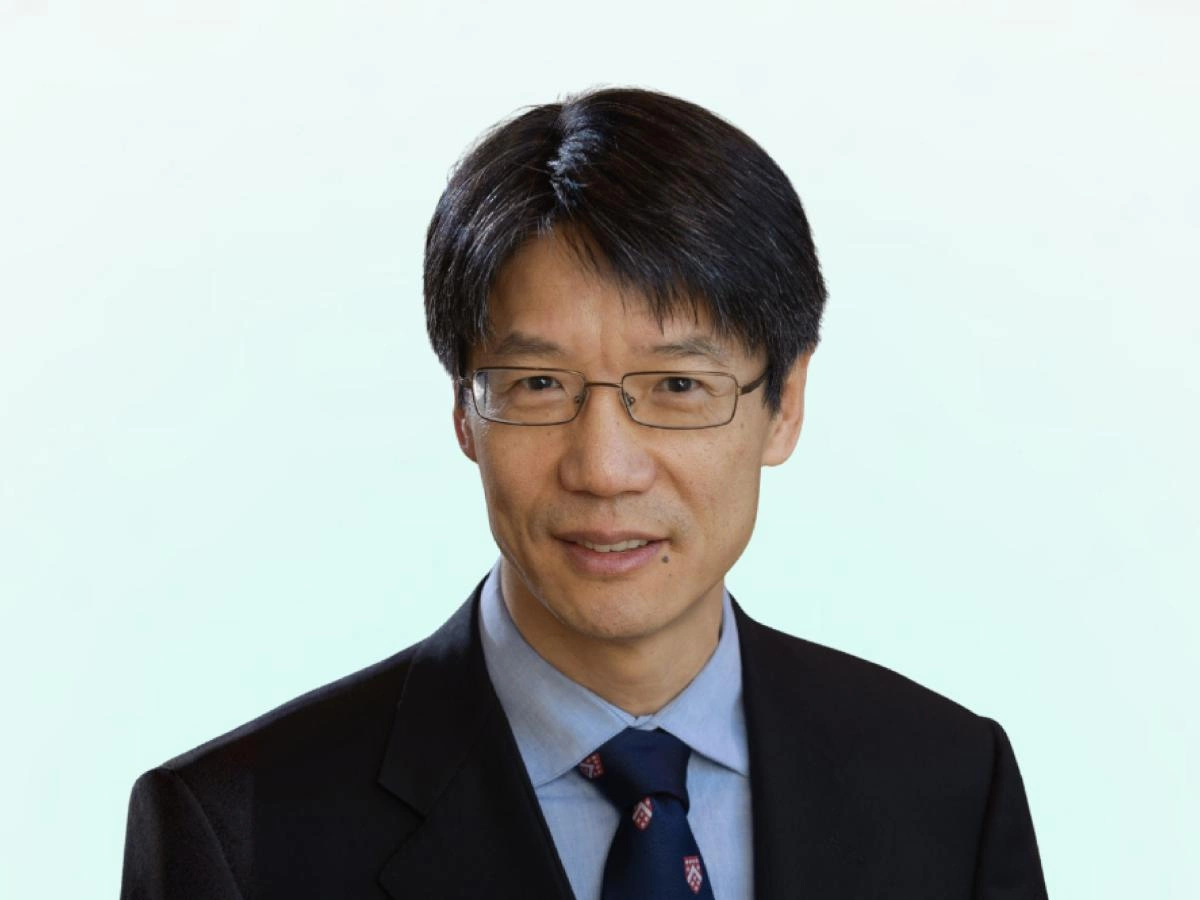
Xiao-Jing Wang
Computational Neuroscience
RESEARCH FIELD
Computational Neuroscience
Neural Circuits
Decision-making & Working Memory
Education
Free University of Brussels
Ph.D
Physics
,
1987
Summary
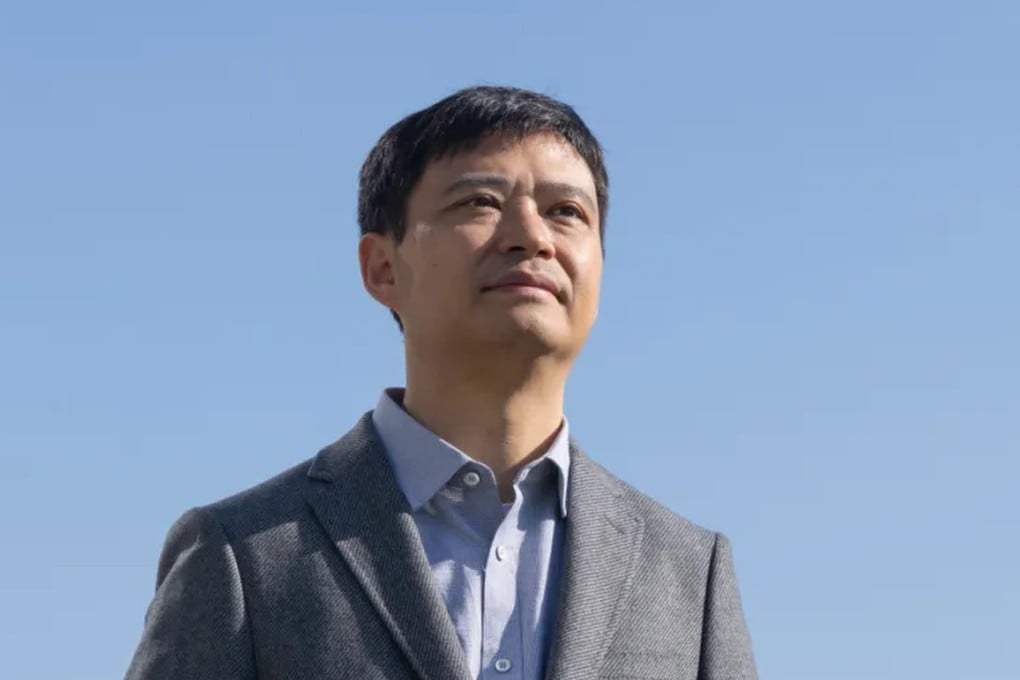
Xiao-Jing Wang is a theoretical and computational neuroscientist who left New York University, where he was Distinguished Global Professor of Neural Science and adjunct professor of physics and mathematics, to join the University of Hong Kong in September 2026 as a Chair Professor with a joint appointment in the School of Computing and Data Science and the School of Biomedical Sciences at the LKS Faculty of Medicine.
Wang studied biology at Peking University from 1978 to 1979 before moving to Belgium, where he turned to theoretical physics, earning his PhD with highest distinction from the Free University of Brussels in 1987 under Nobel laureate Ilya Prigogine. He went on to hold positions at the University of Pittsburgh and Brandeis University before joining Yale University as professor of neurobiology and founding director of the Swartz Center for Theoretical Neuroscience. He joined NYU's Center for Neural Science in 2012 and, from 2012 to 2017, also served as founding provost and vice president for research at NYU Shanghai, helping develop the university's research strategy and curriculum.
Wang is best known for his work on the prefrontal cortex — sometimes called the “brain's CEO” — which governs working memory, decision-making, and executive function; he was among the first to build biologically based neural circuit models of these processes. His landmark contributions include identifying the role of NMDA receptors in working memory, a neural circuit model of decision-making that remains a standard reference in the field, and connectome-based modeling of large-scale brain circuits. He co-founded the field of computational psychiatry, applying mathematical models to the brain-circuit mechanisms of psychiatric disorders, and authored the textbook Theoretical Neuroscience: Understanding Cognition (Taylor & Francis/CRC Press). As of August 2026, he had an h-index of 111 and more than 55,000 citations, and Clarivate named him a Highly Cited Researcher in 2021 and 2024.
His honors include a Guggenheim Fellowship (2012), the Society for Neuroscience's Swartz Prize for Theoretical and Computational Neuroscience (2017), the Goldman-Rakic Prize for Outstanding Achievement in Cognitive Neuroscience (2018), Germany's Valentin Braitenberg Award for Computational Neuroscience (2026), and election to Belgium's Royal Academy of Science, Letters, and Fine Arts (2021). He has held visiting positions at MIT, Stanford University, and the Collège de France, and has mentored more than 35 graduate students and postdoctoral researchers who went on to faculty positions at Yale, Columbia, Duke, the University of Chicago, MIT, Princeton, and Oxford. At HKU, his research will span theoretical, systems, and cognitive neuroscience, with applications in brain science, artificial intelligence, and psychiatric care.
CURRENT AFFILIATION
University of Hong Kong
xjwang26@hku.hk