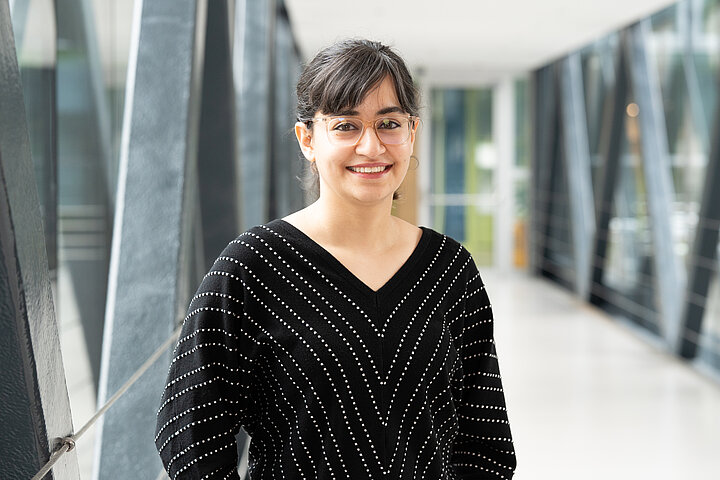

Brian Kuhlman
Computational Protein Design
RESEARCH FIELD
Computational Protein Design
Artificial Intelligence
Vaccine Design
Enzyme Engineering
Biosensors
Cancer Therapeutics
Education
Rice University
B.S.
Chemical Physics (BA)
,
1992
Stony Brook University
Ph.D
Chemistry
,
1998
University of Washington
Postdoc
Damon Runyon Postdoctoral Fellowship
,
1999
-
2002
Summary
Brian Kuhlman is a computational protein design researcher who left the University of North Carolina at Chapel Hill, where he was a professor of biochemistry and biophysics, to join the University of British Columbia's Faculty of Medicine in Vancouver, Canada, as an Eddie Goldenberg Research Chair of Canada.
The appointment was announced August 27, 2026 as part of UBC's first cohort of nine Eddie Goldenberg Research Chairs drawn from US and international universities, with Kuhlman's move set to begin in spring 2027.
Kuhlman earned his PhD in chemistry from Stony Brook University in 1998, studying under Daniel Raleigh, then completed a Damon Runyon Postdoctoral Fellowship at the University of Washington from 1999 to 2002 under David Baker, the biochemist who would go on to win the 2024 Nobel Prize in Chemistry for his own work in computational protein design.
Kuhlman is a leading authority on using computer modeling and AI to design proteins with new sequences, structures, and functions, work that has helped turn protein design from a largely theoretical pursuit into an established scientific discipline. At UBC, his lab will apply these tools to real-world therapeutics, including a next-generation dengue vaccine, cancer drugs that activate only within a tumor's acidic microenvironment, and biosensors for monitoring hormones like insulin, while also developing new AI methods for designing enzymes and proteins that change shape in response to their environment.
Kuhlman has said his interest in the field traces back to a fascination with the intricate shapes proteins take on to interact with other molecules in the body, comparing the work to building with Legos, but aimed at molecules that can benefit human health. He was drawn to UBC by its concentration of expertise across computer science, physics, chemistry, and biology, and its track record of fostering collaboration across those fields, calling protein design an inherently collaborative discipline. All of the computational tools developed through his UBC program are planned to be released open-source for researchers worldwide.
CURRENT AFFILIATION
University of British Columbia, Vancouver, Canada
Recruitment Program
Canada Global Impact+Research Talent Initiative